Resilience is the ability to adapt and thrive in the face of adversity. Spending time in nature can help build resilience, reduce stress, and improve overall mental health. In this blog, we explore how nature can foster resilience and provide strategies for incorporating nature into daily life to enhance mental and emotional wellbeing.
Stress Reduction
Nature has a profound ability to reduce stress. The tranquillity of natural settings, combined with the rhythmic patterns of walking or gardening, can lower cortisol levels and promote relaxation. Activities such as hiking, birdwatching, or simply sitting by a lake can provide a sense of calm and serenity.
Benefits of Stress Reduction:
- Lower Cortisol Levels: Spending time in nature can reduce the production of cortisol, the body’s primary stress hormone. Lower cortisol levels are associated with reduced stress and improved overall health.
- Improved Mood: The calming effects of nature can enhance mood and reduce symptoms of anxiety and depression. Exposure to natural light and fresh air can boost serotonin levels, promoting feelings of happiness and wellbeing.
- Enhanced Relaxation: Nature provides a soothing environment that encourages relaxation and mindfulness. The sights, sounds, and smells of nature can create a sense of peace and tranquillity.
How to Reduce Stress in Nature:
- Take Regular Nature Walks: Incorporate regular walks in natural settings into your routine. Choose a local park, forest, or beach and spend time walking mindfully, paying attention to the sights and sounds around you.
- Practice Mindfulness in Nature: Engage in mindfulness practices such as meditation, deep breathing, or yoga in natural settings. Find a quiet spot in nature and focus on being present in the moment.
- Create a Nature Sanctuary: Designate a space in your home or garden where you can connect with nature. This could be a small garden, a balcony with plants, or a cozy corner with natural elements.
Emotional Regulation
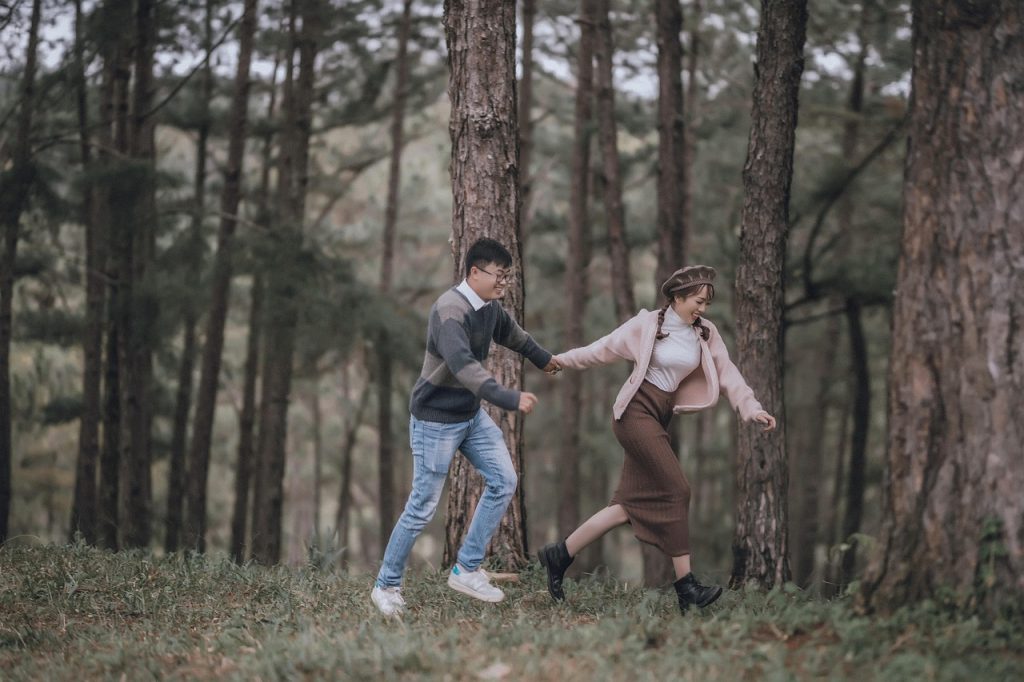
Nature provides a safe and supportive space for emotional expression and regulation. The beauty and tranquillity of natural settings can evoke positive emotions and foster a sense of peace and contentment. Nature-based activities can help individuals develop self-regulation skills, manage anxiety and stress, and improve overall emotional wellbeing.
Benefits of Emotional Regulation:
- Improved Emotional Awareness: Spending time in nature can enhance emotional awareness and help individuals recognize and process their emotions. The natural environment provides a non-judgmental space for reflection and self-expression.
- Enhanced Coping Skills: Nature-based activities can teach valuable coping skills, such as problem-solving, adaptability, and resilience. Engaging with nature can provide a sense of accomplishment and boost self-esteem.
- Reduced Anxiety and Depression: The calming effects of nature can reduce symptoms of anxiety and depression. Activities such as hiking, gardening, and nature observation can promote relaxation and improve mood.
How to Regulate Emotions in Nature:
- Engage in Nature-Based Activities: Participate in activities such as hiking, gardening, or birdwatching. These activities can provide a sense of purpose and accomplishment, enhancing emotional regulation.
- Practice Journaling in Nature: Bring a journal with you on nature walks and take time to write about your thoughts and feelings. Reflecting on your experiences in nature can help process emotions and foster a sense of peace.
- Create Art Inspired by Nature: Use natural materials such as leaves, flowers, and stones to create art. Engaging in creative activities can provide an outlet for emotional expression and promote relaxation.

Building Resilience
Nature-based activities can help build resilience by providing opportunities for physical and mental challenges. Activities such as hiking, camping, and rock climbing can teach problem-solving skills, perseverance, and adaptability. Overcoming challenges in nature can foster a sense of accomplishment and confidence, enhancing resilience.
Benefits of Building Resilience:
- Enhanced Problem-Solving Skills: Nature-based activities often involve navigating obstacles and finding solutions. These experiences can improve problem-solving skills and boost confidence.
- Increased Perseverance: Engaging in challenging activities in nature can teach perseverance and determination. Overcoming physical and mental challenges can foster a sense of accomplishment and resilience.
- Improved Adaptability: Nature is constantly changing, and engaging with the natural environment can teach adaptability and flexibility. Learning to adapt to different conditions and environments can enhance resilience.
How to Build Resilience in Nature:
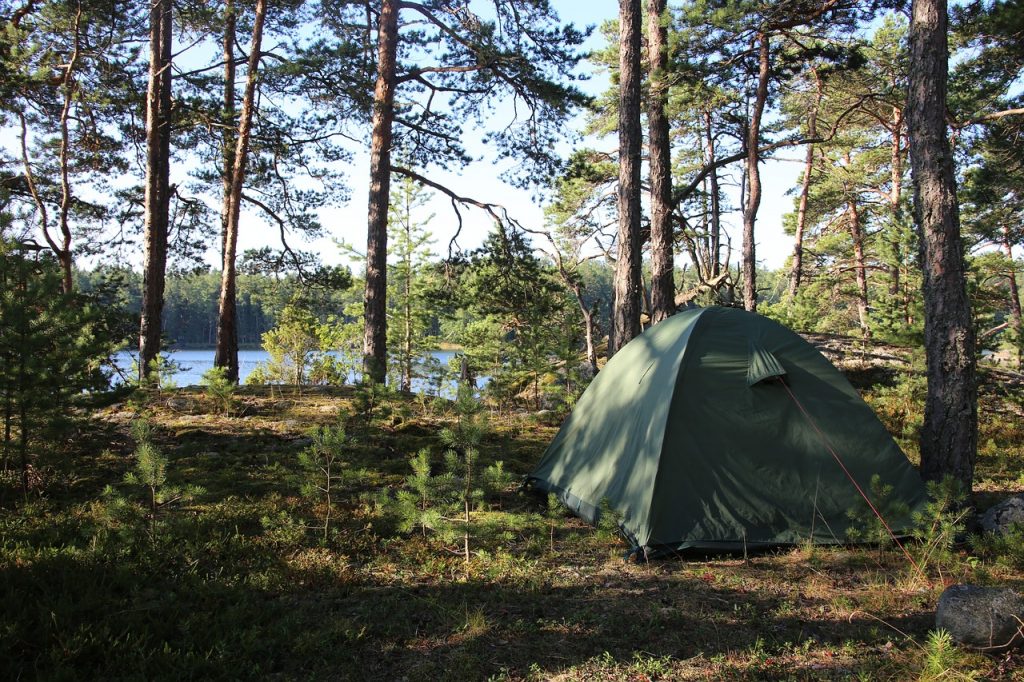
- Participate in Outdoor Adventures: Engage in activities such as hiking, camping, and rock climbing. These activities can provide physical and mental challenges that promote resilience.
- Set Personal Goals: Set achievable goals for your nature-based activities, such as completing a challenging hike or learning a new outdoor skill. Working towards and achieving these goals can boost confidence and resilience.
- Reflect on Challenges: Take time to reflect on the challenges you face in nature and how you overcome them. Discuss your experiences with friends or family and celebrate your accomplishments.
Social Support
Nature-based activities can also provide opportunities for social interaction and support. Joining a hiking group, participating in outdoor yoga classes, or volunteering in a community garden can create a sense of community and connection. Social support is crucial for mental and emotional wellbeing, as it can help reduce feelings of isolation and provide a network of understanding and encouragement.
Benefits of Social Support:
- Enhanced Social Connections: Engaging in nature-based activities with others can foster social connections and build relationships. Shared experiences in nature can create a sense of camaraderie and belonging.
- Increased Emotional Support: Social support can provide emotional encouragement and understanding. Participating in group activities can reduce feelings of isolation and promote mental wellbeing.
- Improved Mental Health: Social interaction and support can reduce symptoms of anxiety and depression. Engaging in nature-based activities with others can enhance mood and overall mental health.
How to Find Social Support in Nature:
- Join a Nature Group: Look for local hiking clubs, gardening groups, or outdoor fitness classes. These groups provide opportunities for social interaction and shared experiences in nature.
- Volunteer in Nature: Participate in community gardening projects, park clean-ups, or conservation efforts. Volunteering in nature can create a sense of purpose and connection.
- Organize Group Activities: Plan nature-based activities with friends or family, such as picnics, nature walks, or camping trips. Spending time in nature with loved ones can strengthen relationships and provide emotional support.
Lifelong Connection to Nature
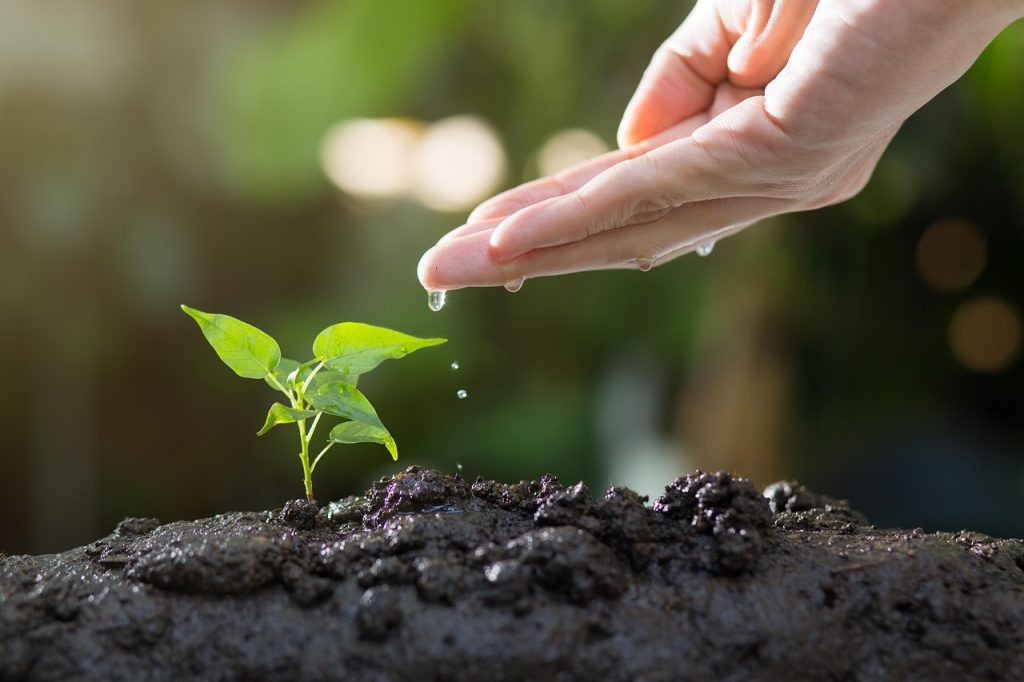
Developing a lifelong connection to nature can enhance resilience and overall wellbeing. The skills and knowledge gained through nature-based activities can inspire a lifelong interest in the natural world and promote sustainable living.
Benefits of a Lifelong Connection to Nature:
- Sustainable Living: A deep connection to nature can inspire sustainable practices and environmental stewardship. Understanding the importance of conservation can promote actions that protect the natural world.
- Continuous Learning: Engaging with nature can foster a sense of curiosity and a desire for continuous learning. Exploring different ecosystems, observing wildlife, and participating in conservation efforts can provide ongoing opportunities for growth and discovery.
- Enhanced Wellbeing: A lifelong connection to nature can provide ongoing physical, mental, and emotional benefits. Regular engagement with the natural world can promote overall health and resilience.
How to Foster a Lifelong Connection to Nature:
- Explore Different Ecosystems: Visit various natural environments, such as forests, deserts, wetlands, and mountains. Exploring different ecosystems can deepen your understanding and appreciation of the natural world.
- Participate in Conservation Efforts: Get involved in conservation projects and environmental advocacy. Contributing to the protection of nature can create a sense of purpose and connection.
- Incorporate Nature into Daily Life: Find ways to connect with nature in your daily routine, such as walking in a local park, gardening, or observing wildlife. Regular engagement with nature can enhance overall wellbeing and resilience.
Nature offers a powerful tool for building resilience, reducing stress, and improving overall mental health. By engaging in nature-based activities, practicing emotional regulation, and finding social support in natural settings, we can enhance our resilience and wellbeing. Developing a lifelong connection to nature can provide ongoing physical, mental, and emotional benefits, promoting a sense of balance and harmony in our lives. Embrace the beauty and tranquillity of the natural world and discover the benefits of building resilience through nature.
Come join us on one of our sessions in nature: https://wildmindsnature.co.uk/whats-on/

